Mold Damage Repair in Hudson, FL
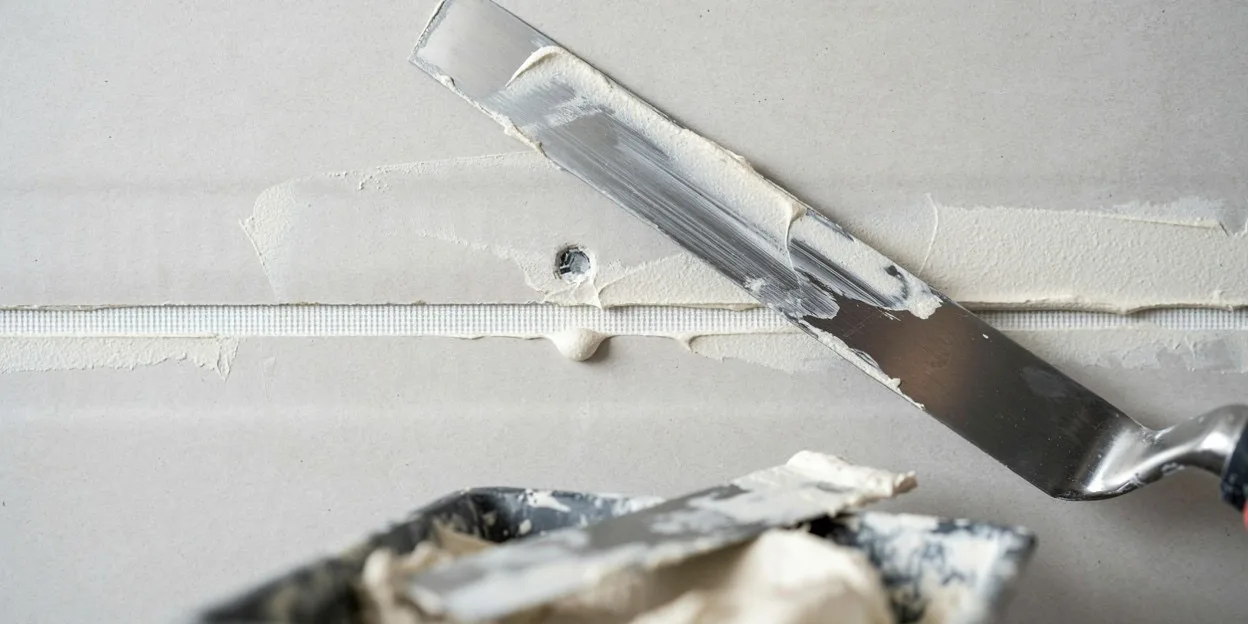
The removal crew finished last week. The living room and both bedrooms are open from the slab to a chalk line two feet up, the baseboard is gone, and the kitchen has no lower cabinets. The house is dry and it does not smell anymore. Now you need it to be a house again. This site connects you by phone with an independent local provider who does mold damage repair in Hudson and across Pasco County.
What the crew does first
Before a sheet of drywall goes up, the crew checks two things. The block and the bottom plate read dry on a meter, and the leak, the drain line, or the venting problem that fed the mold is actually fixed. A wall closed over damp block grows again by next summer, and the second job costs more than the first because the new work comes out too.
If the removal crew left readings and photos, this crew starts from those. If not, they take their own before ordering material.
What to do in the next hour
Gather what the removal crew gave you: the scope, the moisture log, and the photos. If an assessor was involved, have that report too. If there is a flood-insurance or homeowner claim open, find out from the adjuster whether the rebuild scope needs approval before work starts.
Decide what you want back. Some owners on the canals put tile and a cement-board wainscot at the bottom of the walls instead of drywall and carpet, so the next surge is a cleanup rather than a demolition. That is a decision to make before the crew orders material.
What is usually saved and what is removed
This is the phase where things go back, so the question is what goes back and how. Drywall is hung a half inch off the slab so it cannot wick. Baseboard, door casing, and closet shelving are replaced. Cabinet bases go in on legs or on a sealed platform. Flooring follows once the slab reads dry.
Anything the removal crew left in place stays: block, slab, tile, sound framing. If the crew finds fresh growth or wet material when they open a wall cavity to run wiring, the rebuild stops and it becomes mold removal again for that section. Ceilings that came down after a duct or roof leak get replaced here, after attic mold remediation is done. A smell that shows up during the rebuild is mold odor removal before the wall is closed.
Pasco County notes: flood zones, permits, and materials that survive a surge
Rebuilding after removal almost always needs a permit through Pasco County, or through the city inside New Port Richey or Port Richey. In a mapped flood zone the county compares the repair cost to the value of the structure, and a repair that counts as substantial damage can trigger elevation or other flood-code work. Owners in Hudson Beach, Sea Pines, and Gulf Harbors ran into that after Helene. Ask before the material is ordered.
Materials matter on this coast. Water-resistant drywall or cement board on the bottom two feet, tile instead of laminate, and cabinets on legs are common choices in the canal neighborhoods after two surges in thirteen months.
Florida licenses mold assessors and remediators separately under Chapter 468, Part XVI. Rebuilding is contractor work, not remediation, so the repair crew needs a building contractor's license rather than a mold license. Ask for both the license and a written scope. Many Florida policies cap mold coverage, but the rebuild after a covered water loss is often handled under the water claim rather than the mold cap, so ask the adjuster which bucket the drywall falls into.
Calling about mold damage repair
Have the address, what was removed and when, and whether the moisture readings and photos exist. Say whether the source is fixed and whether a claim is open. Call (727) 353-1690.